The same perfume smells different in July than it does in December. Not because the formula changes, but because you do. Your skin temperature, the humidity in the air, and the ambient conditions around you are constantly shaping how a fragrance opens, develops, and projects. The difference between summer and winter perfume is, at its core, a difference in how temperature interacts with scent molecules, and once you understand that, choosing the right fragrance for the season becomes intuitive rather than guesswork.
Why Temperature Changes Everything
Fragrance is volatile. The molecules that carry scent evaporate from your skin into the air, and the rate at which they evaporate is determined largely by heat. Warmer skin releases fragrance molecules faster, which means:
-
In summer, top notes bloom intensely and quickly, projection is amplified, and base notes arrive sooner than expected. A fragrance that felt balanced and moderate in cool weather can become overwhelming at 90°F.
-
In winter, evaporation slows. The lighter top notes, citrus especially struggle to project in cold air. The scent stays closer to the skin, and the heavier base notes take longer to emerge but linger far longer once they do.
This is why a rich oud-and-amber oriental that feels perfectly calibrated on a cold January night can smell suffocating in August, and why a delicate bergamot-and-green-tea cologne that feels effortless in a heat wave can feel almost invisible when the temperature drops below freezing. Neither fragrance is wrong, they're simply formulated for different thermal conditions.
What Makes a Fragrance a "Summer" Scent?
Summer fragrances are built to work with heat rather than against it. Because heat amplifies projection, they tend to be:
Light in concentration
Many classic summer scents are Eau de Cologne or Eau de Toilette – lower fragrance oil concentrations that bloom proportionately in warmth without becoming overpowering. Even summer EDPs are formulated with a lighter hand in their base notes.
Built on volatile top notes
Citrus, marine, green, and aquatic notes are the signature opening families of summer perfumery precisely because they evaporate quickly and cleanly. That rapid bloom-and-fade is a feature: in summer, you want the first impression to be bright and immediate.
Anchored by light, dry base notes
The best summer perfumes don't abandon depth, they just source it differently. White musk, vetiver, light woods like cedarwood, and clean amber give summer fragrances their dry-down without adding the sticky warmth that makes heavy resins and sweet gourmands feel oppressive in heat.
Refreshing rather than enveloping
Summer fragrances tend to create a scent bubble rather than a sillage trail. They're designed to be pleasant at close range in close quarters – on a crowded beach, in an air-conditioned office, in the back of a rideshare – rather than to project across a room the way an evening winter fragrance might.
Think of Xerjoff Torino 21 – a mint-citrus-basil EDP that maintains its fresh, aromatic brightness throughout the day without ever becoming heavy – or Lorenzo Pazzaglia Summer Hammer, a tropical extrait where the mango-pineapple-coconut opening is anchored by a vetiver-sandalwood base that holds without weighing. Or Stéphane Humbert Lucas God of Fire, whose vivid tropical-fruity opening over an oud-nagarmotha base finds the exact balance between summer immediacy and lasting depth. These are fragrances designed to succeed in warmth, not merely survive it.

What Makes a Fragrance a "Winter" Scent?
Winter fragrances are engineered for the opposite problem: how to project through cold, dry air when evaporation is slow and skin temperature drops. Their solutions are structural.
Rich, heavy base notes
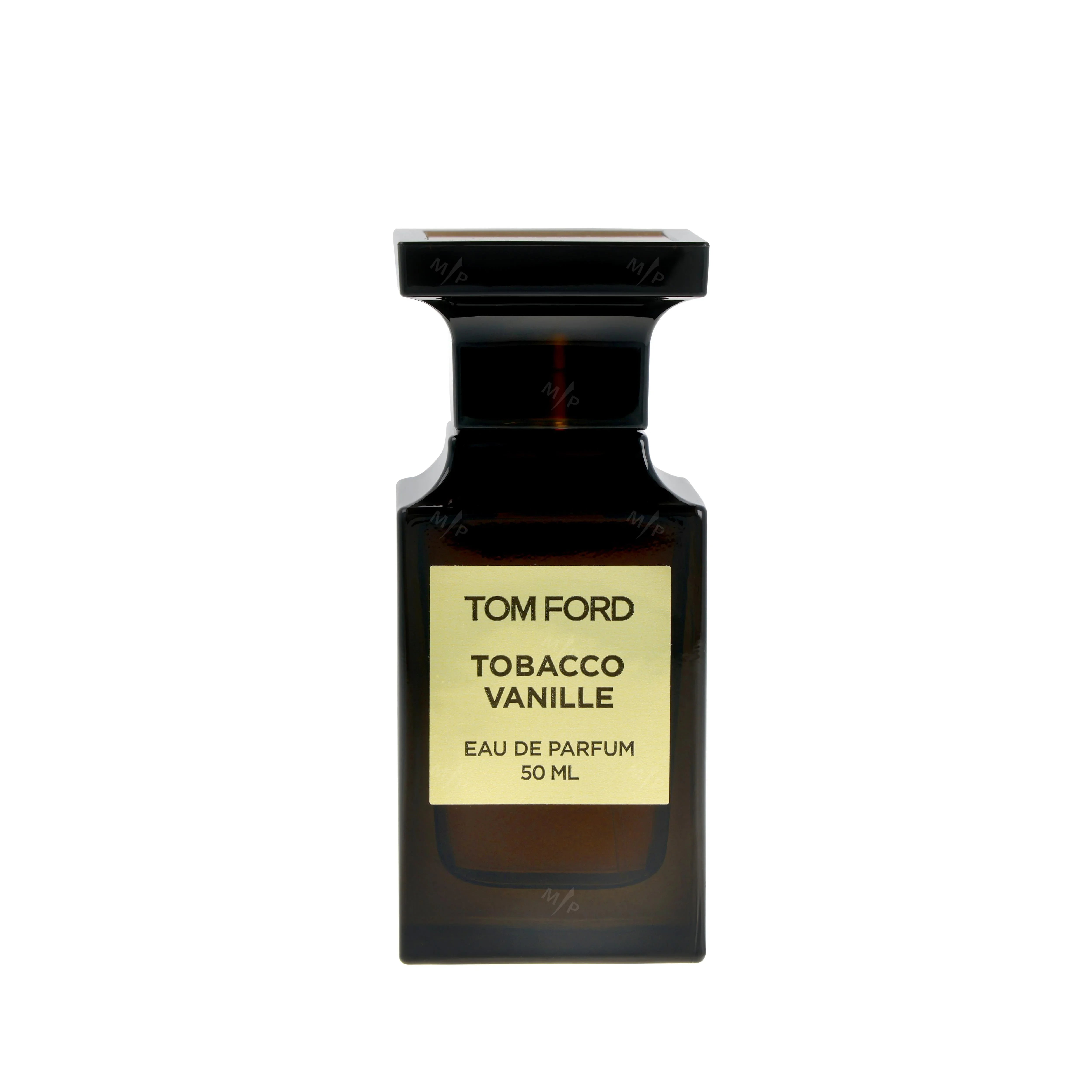
Oud, labdanum, benzoin, amber, and resins evaporate slowly even in cold conditions, releasing their scent steadily over hours. Tom Ford Tobacco Vanille – tobacco, vanilla, dried fruits, and sweet wood sap – is exactly the kind of composition that cold air handles beautifully: the richness projects steadily rather than all at once.
Warm spice notes
Cinnamon, clove, cardamom, and black pepper generate a perception of warmth that feels entirely appropriate against cold skin and cold air. They also project through low-humidity conditions where lighter fragrance families fade almost immediately.
Higher concentrations
Winter fragrances are disproportionately EDPs, Parfums, and Extraits – the higher oil concentrations generate the projection and longevity that cold air suppresses in lighter formulas. Tom Ford Oud Wood, with its oud, sandalwood, rosewood, vetiver, cardamom, and tonka bean, is the kind of composition that requires EDP concentration to perform at all in January.
Gourmand depth
Vanilla, caramel, chocolate, tonka bean, and coffee notes feel naturally fitting in cold weather; they create an olfactory sense of warmth and comfort that complements the environment rather than fighting it. In summer heat, the same gourmand depth can quickly become cloying.

Can You Wear Summer Perfume in Winter – or Vice Versa?
Yes, with adjustments – and there are no rules that prohibit it. But it helps to understand what will change.
Wearing a summer fragrance in winter
A light citrus or marine fragrance in cold weather will project less, fade faster, and feel slightly disconnected from its environment. If you love a particular summer scent, you can compensate by applying more generously, targeting warm pulse points (inner wrist, neck, inner elbow), and spraying on clothing rather than skin – fabric holds fragrance far longer than bare skin in cold conditions. The fragrance won't disappear, it just needs a little more help.
Wearing a winter fragrance in summer
This is where more caution is warranted. What happens when you wear a winter fragrance in summer is that heat amplifies everything – the heavy base notes that felt perfectly calibrated in December can turn oppressive in July, projecting far beyond your personal space and becoming difficult to wear in close quarters. If you love a winter scent and want to wear it in summer, use a significantly lighter application – one spray instead of three – and apply to clothing rather than directly to hot skin. Choose early morning or evening when temperatures are lower.
Fragrances that genuinely work year-round tend to be those built in the middle register: woody-aromatic EDPs with clean but not lightweight bases, or oriental fragrances with enough citrus or floral brightness to read as fresh in warmth. These bridge the seasonal divide without requiring heavy adjustment.
How to Tell if a Fragrance Is Winter or Summer
If you're trying to place an unfamiliar scent, these signals usually tell you quickly:
Summer signals:
-
Citrus, marine, aquatic, green, light floral, fruity-fresh opening notes.
-
Light to moderate base.
-
EDT or EDC concentration.
-
Described as "clean," "fresh," "breezy," or "beach."
-
Performance reviewers praise it in warm weather.
Winter signals:
-
Oud, amber, incense, tobacco, resin, leather, vanilla, spice in the heart or base.
-
Heavy projection.
-
EDP, Parfum, or Extrait concentration.
-
Described as "warm," "cozy," "opulent," or "dark."
-
Performance reviewers note it becomes cloying in heat.
The note pyramid of a fragrance is usually the fastest guide. Top notes tell you the first impression; base notes tell you the season. A composition with bergamot on top and vanilla-oud at the base is almost always winter-oriented, even if the opening smells deceptively fresh. Conversely, a composition with sea salt on top and white musk at the base is summer-oriented even if the musk persists for hours.
Building a Seasonal Wardrobe
Understanding the difference between summer and winter perfume is most useful not as a constraint but as a framework. Rather than asking "can I wear this?", the better question is "what does this fragrance need to perform at its best?", and then matching that to the conditions you're in.
A fragrance wardrobe that covers both seasons doesn't need to be large. A few well-chosen summer EDPs from a collection like Maple Prime's Summer Vibes, paired with one or two winter-oriented orientals or woody-gourmands, covers the full range of seasonal occasions without redundancy.
For more on curating that collection, our fragrance wardrobe guide is a practical next step – and at Maple Prime's prices of up to 80% off retail, building one season at a time is more accessible than most people assume.
Frequently Asked Questions
What is the main difference between summer and winter fragrance?
The core difference is how their compositions are designed to perform at different temperatures. Summer fragrances use light, volatile notes and lower concentrations that project proportionately in heat without becoming overwhelming. Winter fragrances use heavy resins, oud, amber, and spice – materials that need warmth to release properly and that project through cold, dry air where lighter compositions fade.
What happens when you wear a winter fragrance in summer?
Heat amplifies every note, including the heavy base notes that define most winter compositions. A rich amber-oud fragrance that felt perfectly measured in December can become overpowering in July, projecting too strongly in close quarters and fading rapidly after an initial blast. Apply very sparingly – one spray rather than three – and prefer evening application when temperatures are lower.
Can you wear summer perfume in winter?
Yes, though you may need to apply more generously and spray on clothing rather than skin to compensate for lower temperatures suppressing projection. Light citrus and marine fragrances can also feel slightly disconnected from a cold-weather environment, but there are no rules: if you love a scent, wear it year-round and adjust your application accordingly.
How do I tell if a fragrance is a winter or summer scent?
Look at the base notes. A fragrance with oud, tobacco, labdanum, amber resin, benzoin, or heavy vanilla at the base is almost certainly winter-oriented regardless of how the top notes open. A fragrance with white musk, light woods, or clean amber at the base is summer-oriented. Concentration is a secondary signal: EDCs and light EDTs trend toward summer; Parfum and Extrait concentrations trend toward winter.
Are there fragrances that work in both summer and winter?
Yes. Woody-aromatic EDPs with a clean structure, certain floral musks, and lighter oriental fragrances with fresh citrus brightness can bridge the seasons effectively. Year-round fragrances tend to sit in the middle of the intensity spectrum, not so light that they disappear in cold, not so heavy that they overwhelm in heat. If you're building a small collection, these versatile pivots are the most efficient starting point.