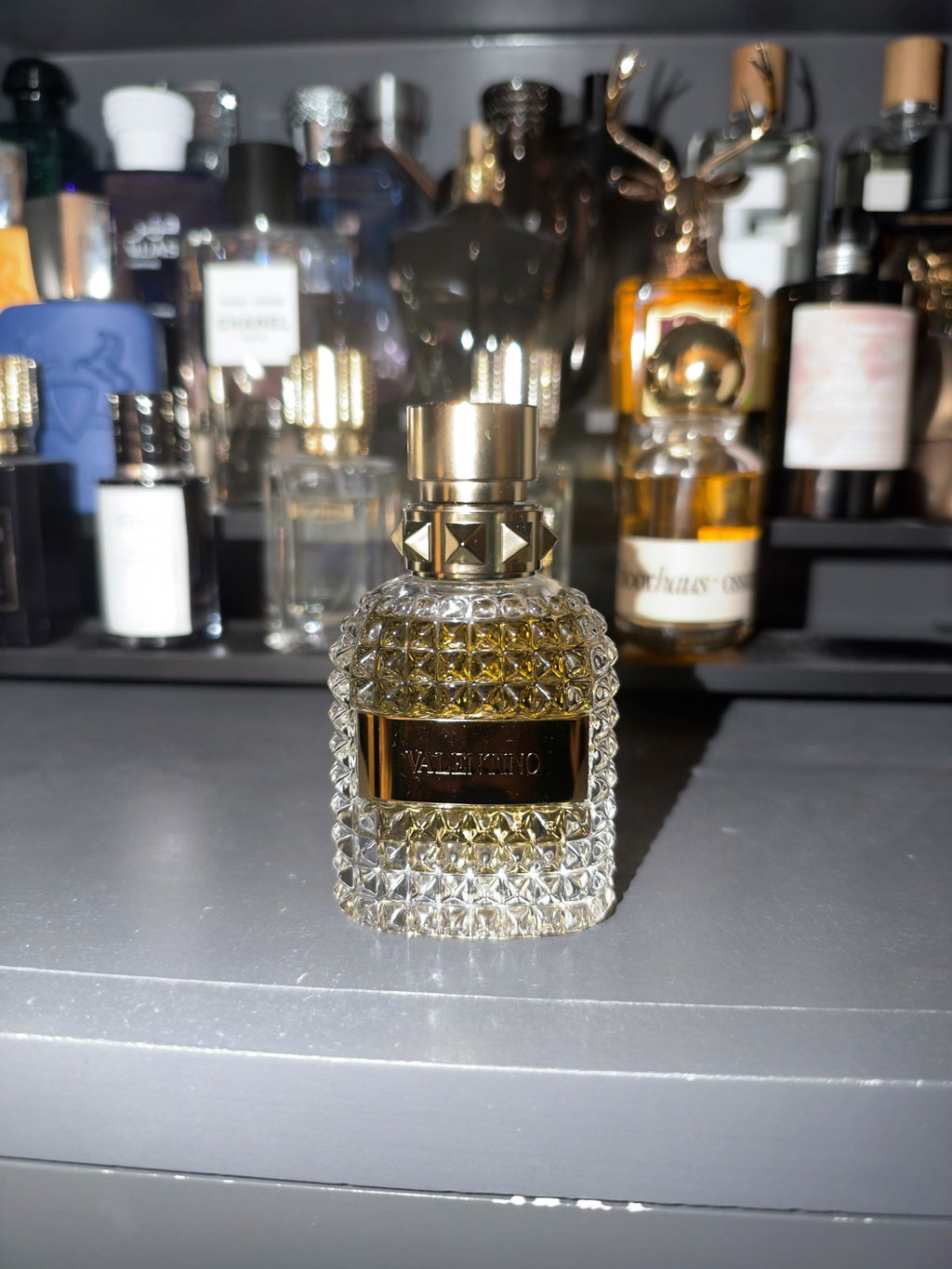
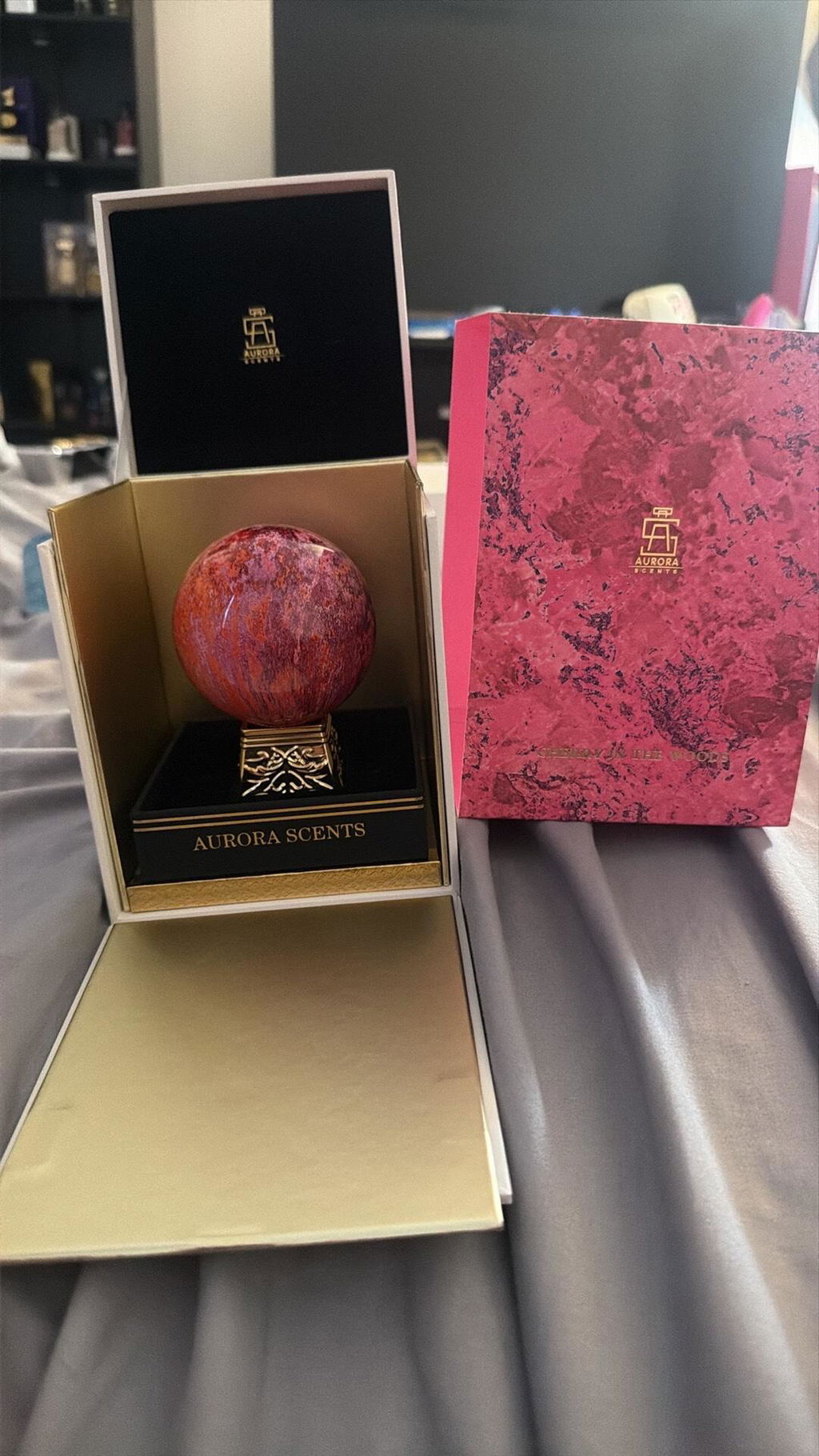
Fragrance layering - the practice of strategically combining multiple scents - creates personalized fragrance profiles that are impossible to achieve with a single perfume. Neuroscience research reveals that olfactory blending activates different brain regions than single-scent exposure, creating enhanced emotional responses and unique scent signatures that are entirely your own (Gottfried, 2010). Understanding the science behind this art form allows you to move beyond single bottles and become the architect of your personal scent identity.
At MaplePrime, we offer 100% authentic designer fragrances at up to 80% off retail prices with free shipping. This incredible value is your gateway to the art of fragrance layering. When you can build a versatile collection of genuine luxury perfumes for the price of a single department store bottle, you unlock limitless possibilities for creating bespoke scents that perfectly match your mood, occasion, and personality.
The Neuroscience of Olfactory Blending
When you apply a single fragrance, your brain identifies it as a distinct “odor object.” However, when you layer multiple fragrances, you create a more complex olfactory experience that engages your brain on a deeper level. The brain’s olfactory cortex does not simply add the scents together; instead, it processes the combination as a new, holistic entity. Research in Nature Reviews Neuroscience explains that the brain perceives odor mixtures through distributed ensemble patterns in the piriform cortex, the primary region for olfactory processing (Gottfried, 2010). This means the combination of two fragrances creates a third, unique neural signature.
This process begins at the peripheral level with your olfactory receptor neurons (ORNs). According to a 2018 study in the journal eLife, ORNs utilize a mechanism called “competitive antagonism” to process complex scent mixtures (Reddy et al., 2018). When multiple types of fragrance molecules are present, they compete for the same receptors. Some molecules may be excellent at binding to a receptor but poor at activating it, effectively blocking other molecules from binding. This antagonism prevents a single, overpowering scent from dominating the experience and allows the brain to perceive a more balanced and nuanced blend. It is this sophisticated biological mechanism that makes fragrance layering a creative art rather than a simple chemical addition.
Fragrance Families & Compatibility
Successful fragrance layering depends on understanding how different scent families interact. Perfumes are built on a structure of notes - top, middle, and base - that evaporate at different rates. Layering works by combining fragrances whose note structures complement each other, creating a harmonious and evolving scent journey.
|
Note Type |
Evaporation Time |
Common Examples |
|
Top Notes |
5-15 minutes |
Citrus (Bergamot, Lemon), Light Herbs, Aldehydes |
|
Middle Notes |
20 mins - 2 hours |
Florals (Rose, Jasmine), Fruits, Spices |
|
Base Notes |
4-24+ hours |
Woods (Sandalwood, Cedar), Musk, Amber, Resins |
To create a successful blend, it is essential to pair compatible fragrance families. The goal is to create a combination that feels balanced and intentional. For example, layering a light citrus fragrance over a woody base can create a bright opening that slowly mellows into a warm, sophisticated dry-down. Conversely, layering two heavy, complex oriental fragrances can result in a confusing and overwhelming scent.
MaplePrime Tip: The best way to discover your layering preferences is to experiment. With MaplePrime’s collection of 100% authentic designer fragrances at up to 80% off, you can afford to explore different fragrance families without the high cost. Start by purchasing a citrus, a floral, and a woody fragrance to create a foundational layering trio. Browse our fragrance families to start your collection.
|
Fragrance Family |
Best Layering Partners |
Avoid Layering With |
|
Citrus |
Floral, Fresh, Light Fruity |
Heavy Oriental, Deep Woody |
|
Floral |
Citrus, Fruity, Light Woody |
Other Florals (same type), Heavy Spicy |
|
Oriental |
Woody, Spicy, Amber |
Citrus, Fresh, Light Fruity |
|
Woody |
Spicy, Oriental, Amber |
Citrus, Fresh |
|
Fruity |
Floral, Citrus, Light Woody |
Heavy Oriental, Deep Woody |
Layering Techniques & Application Methods
The method you use to layer fragrances significantly impacts the final scent profile. The two primary techniques are sequential layering (applying scents one after another) and concentration layering (using different strengths like Eau de Parfum and Eau de Toilette).
Sequential Layering
This is the most common and effective technique. It involves applying fragrances in a specific order, typically from the heaviest scent to the lightest. This allows the more volatile top notes of the lighter fragrance to shine without being immediately overwhelmed by a heavy base. Research on the temporal coding of odor mixtures suggests that the sequence of application creates distinct neural patterns, allowing the brain to process the combination as an evolving experience rather than a static scent (Su et al., 2011).
1. Apply the heaviest fragrance first. This is usually the scent with the most prominent base notes, such as a woody or oriental fragrance.
2. Wait 5-10 minutes. Allow the first fragrance to dry down and settle on your skin.
3. Apply the lighter fragrance second. This is often a citrus, fresh, or light floral scent. Apply it to the same pulse points or adjacent areas.
MaplePrime Tip: Building a layering starter kit is easy and affordable at MaplePrime. Select a robust Eau de Parfum with a strong base (like a classic woody scent) and a lighter Eau de Toilette (perhaps a fresh citrus). This two-bottle combination, available for a fraction of retail cost with our free shipping, provides dozens of unique layering possibilities.
Concentration Layering
This technique involves using different concentrations of the same or similar fragrances. For example, you can use a scented body lotion (low concentration) as a base, followed by an Eau de Toilette for a subtle daytime scent, and then add a spray of the matching Eau de Parfum on pulse points for an evening boost. This method builds a rich, long-lasting scent that has depth and complexity.
Practical Layering Combinations
Once you understand the principles, you can begin experimenting with practical combinations for different settings and seasons. The key is to build a versatile fragrance wardrobe that provides options for any scenario.
1. For the Office: Layer a subtle, clean musk with a light white floral. This creates a professional, inoffensive scent that is present but not overpowering.
2. For a Date Night: Combine a warm amber or vanilla base with a rich, spicy floral like jasmine or tuberose. This results in a sensual and inviting aroma.
3. For Summer: Start with a woody base like sandalwood and top it with a bright, zesty citrus like bergamot or grapefruit. The wood anchors the volatile citrus notes, extending their longevity in the heat.
4. For Winter: Layer a smoky oud or leather fragrance with a sweet, gourmand scent like vanilla or tonka bean. This creates a cozy, comforting, and powerful scent that cuts through the cold air.
MaplePrime Tip: Curating a personal layering collection doesn’t require a dozen bottles. Start with three to five 100% authentic designer fragrances from MaplePrime. A versatile collection might include a fresh citrus, a classic floral, a warm woody scent, and a rich oriental. At up to 80% off retail, you can build this entire wardrobe for the price of one full-price bottle elsewhere.
Common Layering Mistakes & Solutions
While layering is an art, there are a few common pitfalls to avoid to ensure your scent creations are harmonious.
1. Over-application: More is not always better. When layering, use one spray of each fragrance instead of the two or three you might use when wearing a single scent. The goal is a nuanced blend, not an overwhelming cloud.
2. Incompatible Combinations: While experimentation is encouraged, some families inherently clash. For instance, a sharp, aquatic fragrance will likely conflict with a deep, resinous amber. Refer to the compatibility table and start with proven combinations before venturing into more experimental territory.
3. Ignoring the Dry-Down: Don’t judge a layered combination by its initial scent. The true character of the blend will emerge after 20-30 minutes as the top and middle notes settle. Give your creation time to evolve on your skin before deciding if it’s a success.
Frequently Asked Questions (FAQ)
Can I layer any fragrances together?
While you can experiment with anything, the most successful combinations involve complementary fragrance families. It is generally best to avoid layering two fragrances that are both highly complex and dominant, as they can create a discordant result. Start by pairing a simpler, linear scent with a more complex one.
Does layering make perfume last longer?
Yes, particularly when you use a fragrance with strong base notes (like wood or musk) as your foundation. This heavier molecular structure acts as an anchor for the lighter, more volatile molecules of the second fragrance, helping to slow their evaporation rate and extend the overall life of the scent on your skin.
What's the difference between layering and mixing?
Layering involves applying fragrances sequentially onto the skin, allowing each to dry and interact with your body chemistry individually. Mixing involves combining liquid fragrances in a separate container before application, which can lead to unpredictable chemical reactions and is generally not recommended.
How many fragrances should I layer at once?
For beginners, it is best to start with two fragrances. This allows you to understand the interaction between different notes and families. Advanced users may layer three, but rarely more, as it becomes difficult to maintain a balanced and coherent scent profile.
Can I layer designer fragrances with niche brands?
Absolutely. Layering is about the compatibility of the scents, not the brands. A 100% authentic designer fragrance from MaplePrime can be beautifully layered with a niche perfume to create a truly unique and high-end scent experience.
Does body chemistry affect layered fragrances?
Yes, your unique skin pH and microbiome will interact with each layer, influencing the final scent. This is why the same layered combination can smell slightly different on two different people, making your creation even more personal.
What's the best order to apply layered fragrances?
Always apply the heaviest, most powerful fragrance first. This typically means the scent with the deepest and most tenacious base notes (e.g., woody, oriental, or leather). Lighter, more volatile fragrances (e.g., citrus or fresh florals) should be applied last.
Can I layer fragrances on different body parts?
Yes, this is an advanced technique. You can apply a heavier fragrance to your wrists and a lighter one to your neck or chest. As you move, the scents will subtly mingle in the air around you, creating an intriguing and dynamic sillage.
Conclusion: Become the Architect of Your Scent
Understanding the science of fragrance layering transforms you from a passive consumer into an active creator. By leveraging the principles of olfactory neuroscience and fragrance chemistry, you can craft bespoke scents that are deeply personal and emotionally resonant (Sowndhararajan & Kim, 2016). The art of layering is not about masking one scent with another, but about creating a harmonious dialogue between them, resulting in a composition that is greater than the sum of its parts.
When you purchase from MaplePrime, you are not just buying a bottle of perfume; you are acquiring a new palette of notes for your olfactory art. Building a 5-fragrance layering collection at MaplePrime often costs less than a single bottle at a department store, making the journey of scent discovery both accessible and exciting.
Ready to Build Your Fragrance Layering Collection?
Explore MaplePrime’s collection of 100% authentic designer fragrances at up to 80% off retail prices with free shipping.
Start building your signature scent today with MaplePrime’s authentic, accessible luxury!
References
Gottfried, J. A. (2010). Central mechanisms of odour object perception. Nature Reviews Neuroscience, 11(9), 628-641.
Reddy, G., Zak, J. D., Vergassola, M., & Murthy, V. N. (2018 ). Antagonism in olfactory receptor neurons and its implications for the perception of odor mixtures. eLife, 7, e34958.
Sowndhararajan, K., & Kim, S. (2016 ). Influence of fragrances on human psychophysiological activity: A systematic review. Evidence-Based Complementary and Alternative Medicine, 2016, 3830307.
Su, C. Y., Menuz, K., Reisert, J., & Carlson, J. R. (2011 ). Temporal coding of odor mixtures in an olfactory receptor neuron. PLoS Biology, 9(4), e1001070.