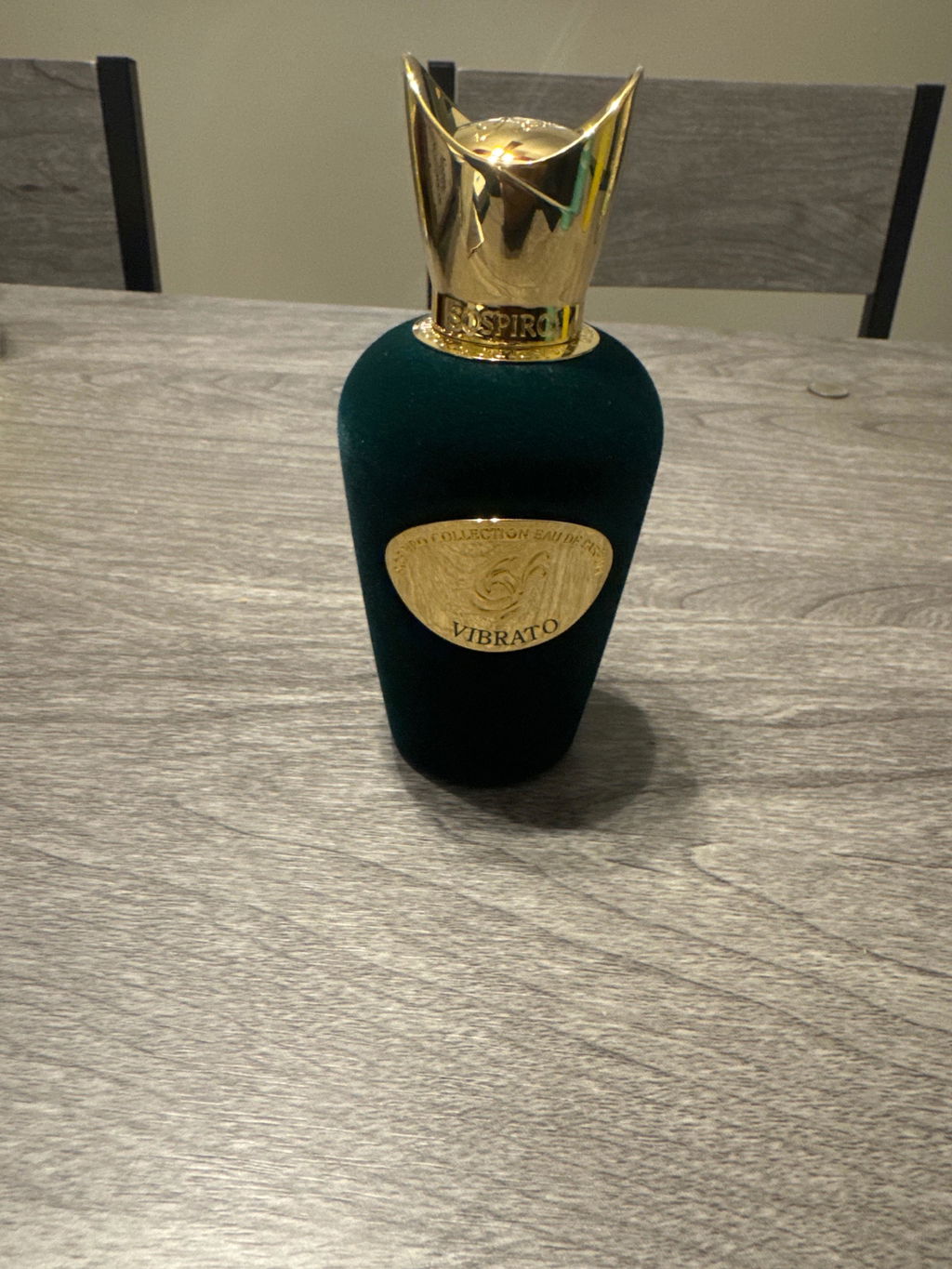
Proper perfume storage can extend your fragrance's lifespan from months to decades, preserving both scent quality and your investment in authentic designer perfumes. Research published in the International Journal of Cosmetic Science reveals that for every 10°C (18°F) increase in temperature, the rate of chemical reactions-including the degradation processes that ruin perfumes-doubles. Understanding the science behind fragrance degradation and implementing evidence-based storage strategies protects your collection and ensures every spray smells as intended.
At Maple Prime, we offer 100% authentic designer fragrances at up to 80% off retail prices with free shipping. What's next? proper storage ensures you maximize every dollar of that incredible value. When you invest in genuine luxury perfumes at accessible prices, understanding storage science protects your purchase and extends your fragrance wardrobe's lifespan for years or even decades.
Why Perfume Storage Matters: The Science of Fragrance Degradation
Perfumes are complex chemical formulations containing dozens or even hundreds of aromatic compounds. These molecules are inherently unstable and vulnerable to degradation through multiple pathways. Understanding these degradation mechanisms is essential for effective preservation.
The Three Primary Degradation Pathways
1. Oxidation: The most common degradation pathway occurs when oxygen molecules react with fragrance compounds, particularly unsaturated molecules like terpenes found in citrus and floral notes. Research published in Environmental Science: Processes & Impacts demonstrates that fragrance ingredients undergo rapid photodegradation when exposed to oxygen and light, with some compounds showing half-lives as short as hours under unfavorable conditions (Lin et al., 2019).
Studies on terpene oxidation from the Royal Society of Chemistry confirm that these volatile compounds-which constitute the majority of top notes in perfumes-are especially susceptible to oxidative degradation. When terpenes oxidize, they transform into different chemical structures that smell harsh, metallic, or unpleasant, fundamentally altering the fragrance profile.
2. Photodegradation: Light exposure, particularly ultraviolet (UV) and visible light, provides energy that breaks chemical bonds in fragrance molecules. According to research cited by AromaExplorer, a study by L'Oréal found that visible light can degrade certain fragrance notes by 30% over six months. This degradation is not limited to UV light-even ambient indoor lighting gradually damages perfume chemistry.
Research published in Environmental Science: Processes & Impacts examining photodegradation kinetics of fragrance ingredients found that direct photodegradation can be the dominant degradation process, with quantum yields indicating rapid breakdown under natural sunlight (Lin et al., 2019). The study emphasizes that light-induced degradation produces transformation products that alter scent character and reduce fragrance quality.
3. Thermal Degradation: Heat accelerates all chemical reactions, including those that break down perfume molecules. The International Journal of Cosmetic Science research showing reaction-rate doubling with every 10°C temperature increase has profound implications for storage. A perfume stored at 30°C (86°F) degrades four times faster than one stored at 10°C (50°F), dramatically shortening its usable lifespan.
Chemical Stability of Fragrance Ingredients
Research published in the Journal of Applied Toxicology investigated the chemical stability of 24 fragrance ingredients under forced degradation conditions (Avonto et al., 2019). The study found that two-thirds of the tested fragrance ingredients underwent chemical degradation over 150 days, with some compounds showing increased reactivity as degradation progressed.
This research highlights that fragrance degradation is not a simple linear process. As primary fragrance molecules break down, they can form intermediate compounds that are themselves unstable, creating cascading degradation that accelerates over time. This explains why perfumes often reach a tipping point where scent quality rapidly deteriorates after months or years of gradual decline.
The Remarkable Longevity of Properly Stored Perfumes
Despite these degradation pathways, properly stored perfumes can last for decades. Industry research confirms that sealed bottles maintain their character for 10-30 years when stored properly, with some archival examples surpassing half a century. Analysis of vintage perfumes reveals that unopened bottles stored in optimal conditions retained 90%+ of their original potency, demonstrating that airtight packaging preventing oxygen exposure is the primary factor in long-term preservation.
This remarkable durability stems from eliminating or minimizing the three degradation pathways. When perfumes are sealed (preventing oxygen exposure), stored in darkness (preventing photodegradation), and kept at stable, cool temperatures (minimizing thermal degradation), their chemical stability increases dramatically.
Optimal Storage Conditions: Evidence-Based Guidelines
Scientific research provides clear guidance on ideal storage conditions for maximizing perfume longevity.
Temperature Control: The 10-Degree Rule
The International Journal of Cosmetic Science finding that reaction rates double with every 10°C temperature increase provides a mathematical framework for understanding temperature's impact. Consider a perfume with a 5-year lifespan at 20°C (68°F):
• At 30°C (86°F): Lifespan reduced to approximately 2.5 years
• At 40°C (104°F): Lifespan reduced to approximately 1.25 years
• At 10°C (50°F): Lifespan extended to approximately 10 years
Optimal temperature range: 15-20°C (59-68°F) represents the ideal balance between preservation and practical accessibility. Perfumes stored within this range experience minimal thermal degradation while remaining at comfortable room temperature for daily use.
Acceptable temperature range: 10-25°C (50-77°F) provides good preservation for most fragrances, though those at the higher end of this range will degrade noticeably faster.
Problematic temperatures: Above 25°C (77°F), degradation accelerates significantly. Bathrooms, cars, and sunny windowsills commonly exceed 30°C (86°F), making them unsuitable storage locations.
Temperature stability: Fluctuating temperatures cause expansion and contraction of liquid and air inside bottles, potentially compromising seals and allowing oxygen infiltration. Consistent temperature is as important as cool temperature.
Light Protection: Darkness Preserves Quality
The L'Oréal research showing 30% degradation of certain fragrance notes over six months from visible light exposure demonstrates that light protection is non-negotiable for long-term storage.
• UV light: The most damaging wavelengths, UV light rapidly breaks down fragrance molecules. Research on photodegradation shows that UV exposure can reduce fragrance half-lives to hours or days (Lin et al., 2019). Direct sunlight contains significant UV radiation and should be completely avoided.
• Visible light: Even ambient indoor lighting causes gradual degradation. The L'Oréal study's 30% degradation figure refers to visible light, not just UV, indicating that any light exposure compromises fragrance quality over time.
• Optimal light conditions: Complete darkness provides maximum protection. Storing perfumes in closed drawers, cabinets, or their original boxes eliminates light exposure entirely.
• Amber or dark glass: Many perfume bottles use colored glass to filter harmful wavelengths. However, this provides only partial protection. Even amber bottles benefit from storage in darkness.
Humidity Control: The Often-Overlooked Factor
While less studied than temperature and light, humidity affects perfume stability through multiple mechanisms.
• Optimal humidity range: Research suggests 50-60% relative humidity provides the best balance. This range prevents both excessive dryness (which can compromise seals and allow evaporation) and excessive moisture (which can promote degradation of certain ingredients).
• Seal integrity: High humidity can degrade adhesives, labels, and cap seals over time. Moisture infiltration into bottles, while slow, introduces water that can react with fragrance compounds and promote microbial growth.
• Bathroom storage risks: Bathrooms combine high humidity (often 70-90% during showers) with temperature fluctuations and light exposure, making them the worst possible storage location despite their convenience.
Oxygen Exposure: The Primary Enemy
Research published in Food Science & Nutrition on controlled release of fragrances emphasizes that oxidation is the dominant degradation pathway for most aromatic compounds (Mao et al., 2020). Minimizing oxygen exposure is therefore critical.
Unopened bottles: Factory-sealed perfumes contain minimal oxygen and remain stable for decades. Industry data shows vintage perfumes in unopened bottles retaining 90%+ potency even after 30-50 years when stored properly.
Opened bottles: Each spray introduces air into the bottle, gradually increasing oxygen content. Research on fragrance degradation in wastewater treatment demonstrates that volatilization and oxidation occur simultaneously, with oxygen-rich environments accelerating breakdown (Ozaki et al., 2019).
Minimizing oxygen exposure:
• Keep bottles tightly capped when not in use
• Avoid decanting perfumes into smaller bottles, which introduces oxygen
• Use perfumes from partially-full bottles more quickly, as the air-to-liquid ratio increases degradation
• Consider transferring valuable fragrances to smaller bottles as levels drop to minimize air space
Practical Storage Solutions for Different Collection Sizes
Implementing science-based storage principles requires practical solutions tailored to collection size and living situation.
For Daily-Use Perfumes (1-5 Bottles)
• Bedroom drawer storage: A closed drawer in a climate-controlled bedroom provides excellent protection from light and maintains stable temperature. Keep perfumes in their original boxes for additional light protection and cushioning.
• Closet shelf: Upper shelves in bedroom closets offer darkness and stable temperature. Avoid closets in exterior walls, which experience greater temperature fluctuations.
• Dedicated perfume tray: A decorative tray in a dark corner of a dresser or vanity provides convenient access while minimizing light exposure. Choose a location away from windows and heat sources.
Maple Prime Tip: Start with 2-3 versatile designer fragrances from our collection. At 80% off retail prices, you can afford authentic Eau de Parfum concentrations that store beautifully and last for years. Browse daily-wear fragrances.
For Medium Collections (5-20 Bottles)
• Drawer organizers: Divided drawer organizers keep bottles upright, prevent tipping, and maintain organization while providing complete darkness. Felt-lined organizers offer additional protection against impact.
• Cabinet storage: A dedicated cabinet or armoire in a climate-controlled room offers excellent protection. Interior shelves should be adjustable to accommodate different bottle heights.
• Original boxes: Keeping perfumes in their original packaging provides multiple benefits: light protection, brand identification, resale value preservation, and cushioning. Stack boxes neatly in drawers or cabinets.
Maple Prime Tip: Building a 10-bottle collection of authentic designer fragrances at department store prices could cost $1,500+. At Maple Prime.com, the same collection costs $300-400 with free shipping - leaving you budget to invest in proper storage solutions.
For Large Collections (20+ Bottles)
Climate-controlled storage: Serious collectors should consider dedicated climate-controlled storage. Options include:
• Wine refrigerators: Set to 15-18°C (59-64°F), wine refrigerators provide ideal temperature and darkness. Ensure the unit maintains stable humidity (50-60%) and doesn't vibrate excessively.
• Dedicated perfume cabinets: Custom or commercial cabinets with temperature control, UV-filtered glass doors, and adjustable shelving accommodate large collections while allowing display.
• Closet climate control: Small climate control units designed for closets maintain optimal temperature and humidity in dedicated storage spaces.
• Rotation system: With large collections, implement a rotation system where daily-use perfumes are kept accessible while long-term storage bottles remain sealed in optimal conditions. This minimizes degradation of rarely-used fragrances.
• Inventory management: Document purchase dates, storage conditions, and scent quality checks for valuable bottles. This data helps identify degradation early and informs future storage decisions.
Special Considerations for Specific Fragrance Types
Different fragrance families and concentrations have varying stability profiles, requiring tailored storage approaches.
Citrus and Fresh Fragrances
Citrus fragrances contain high concentrations of terpenes, which are particularly susceptible to oxidation. Research from the Royal Society of Chemistry on terpene oxidation confirms that these compounds degrade rapidly when exposed to oxygen and light.
Enhanced protection needed:
• Store in complete darkness
• Maintain temperatures at the lower end of the optimal range (15-18°C)
• Use within 2-3 years of opening, even with proper storage
• Keep bottles tightly sealed between uses
• Consider purchasing smaller bottles to minimize oxidation from air exposure
Floral and Oriental Fragrances
Floral and oriental fragrances typically contain more stable compounds like indoles, musks, and resins. These fragrances often improve with age when stored properly, as harsh top notes mellow and base notes become more prominent.
Standard protection sufficient:
• Normal storage conditions (15-20°C, darkness, 50-60% humidity)
• Can last 5-10 years or more with proper storage
• May develop richer, more complex character over time
Natural vs. Synthetic Ingredients
Research published in the Journal of Applied Toxicology found that chemical stability varies significantly among fragrance ingredients, with some natural compounds being particularly unstable (Avonto et al., 2019).
• Natural fragrances: Perfumes with high percentages of natural ingredients generally have shorter lifespans due to the inherent instability of botanical extracts. Natural citrus oils, in particular, oxidize rapidly.
• Synthetic fragrances: Modern synthetic aroma chemicals are often more stable than their natural counterparts. Perfumes with predominantly synthetic formulations may last longer in storage.
• Mixed formulations: Most commercial perfumes combine natural and synthetic ingredients. Storage requirements should be based on the most vulnerable components.
Concentration Levels
Higher concentration perfumes (Parfum, Eau de Parfum) generally store better than lighter concentrations (Eau de Toilette, Eau de Cologne) due to lower alcohol content and higher concentration of stable base notes.
• Parfum (20-30% fragrance oil): Most stable concentration; can last decades with proper storage.
• Eau de Parfum (15-20% fragrance oil): Very stable; typically lasts 5-10+ years.
• Eau de Toilette (5-15% fragrance oil): Moderately stable; typically lasts 3-5 years.
• Eau de Cologne (2-5% fragrance oil): Least stable due to high alcohol and low base note content; typically lasts 2-3 years.
Signs of Degradation: When to Retire a Perfume
Even with optimal storage, perfumes eventually degrade. Recognizing degradation signs helps you retire fragrances before they become unpleasant or potentially irritating.
Visual Changes
Color darkening: Oxidation often causes perfumes to darken. Light amber fragrances may turn deep gold or brown. While some darkening is normal and harmless, dramatic color changes indicate significant chemical alteration.
Cloudiness or sediment: Clear perfumes that become cloudy or develop sediment have undergone chemical changes. This may indicate ingredient separation, precipitation, or contamination.
Liquid level changes: Evaporation through compromised seals causes liquid levels to drop. Significant evaporation concentrates the remaining fragrance and increases oxidation due to higher air-to-liquid ratio.
Olfactory Changes
Top note alteration: The first sign of degradation is usually change in top notes. Fresh citrus notes may smell stale, metallic, or harsh. Floral top notes may develop musty or sour characteristics.
• Vinegar or alcohol smell: Pronounced alcohol or vinegar-like odors indicate advanced oxidation. The fragrance has broken down into simpler, often unpleasant compounds.
• Flat or muted scent: Loss of complexity and projection suggests that volatile compounds have evaporated or degraded. The perfume smells weak or one-dimensional.
• Off-notes: Any smell that seems wrong-musty, rancid, chemical, or simply different from memory-indicates degradation.
Performance Changes
• Reduced longevity: Degraded perfumes fade faster on skin as volatile compounds have already evaporated or broken down.
• Poor projection: Weak sillage (scent trail) indicates loss of volatile top and middle notes.
• Skin irritation: Oxidized fragrance compounds can be more irritating than fresh ones. If a previously well-tolerated perfume causes redness, itching, or burning, degradation may be responsible.
When to Retire
• Mild degradation: If only top notes have changed but middle and base notes remain pleasant, the perfume may still be wearable, though not as originally intended.
• Moderate degradation: If the overall scent character has changed significantly or unpleasant notes dominate, retire the perfume from skin application. It may still be suitable for scenting drawers or rooms.
• Severe degradation: If the perfume smells vinegary, rancid, or causes skin irritation, dispose of it properly. Severely degraded perfumes offer no value and may cause adverse reactions.
Maximizing Value: Storage Strategies for Authentic Designer Perfumes
When you purchase authentic designer fragrances from Maple Prime at up to 80% off retail prices with free shipping, proper storage transforms an already exceptional value into an even smarter long-term investment. Here's how to maximize the value of your Maple Prime fragrances through strategic storage.
The Economics of Proper Storage
· Cost per wear calculation: A $200 designer perfume properly stored for 10 years at 100 wears per year costs $0.20 per wear. The same perfume degraded after 2 years due to poor storage costs $1.00 per wear-five times more expensive.
· Resale value preservation: Collectors and enthusiasts value well-preserved vintage perfumes. Proper storage maintains resale value, potentially allowing you to recoup significant portions of your investment for discontinued or reformulated fragrances.
· Opportunity cost: Replacing degraded perfumes means spending money that could have been invested in expanding your collection. Proper storage maximizes collection value.
Why Maple Prime Fragrances Are Worth Protecting
Every fragrance in the Maple Prime collection is 100% authentic, sourced directly from authorized distributors and verified for genuineness. When you purchase designer perfumes at 80% off retail prices, you're not compromising on quality - you're accessing the same formulations, ingredients, and longevity as department store bottles.
This makes proper storage even more valuable:
· Authentic formulations last longer: Genuine designer fragrances use high-quality ingredients formulated for stability. With proper storage, your Maple Prime purchases can last 5-10+ years, delivering thousands of wears.
· Build your collection affordably: At Maple Prime's prices, you can own 5-10 authentic designer fragrances for the cost of 1-2 department store bottles. Proper storage ensures your entire collection stays fresh and wearable.
· Free shipping on every order: Maple Prime's free shipping means you can stock up on your favorites, purchase backup bottles of discontinued scents, or explore new fragrances without shipping costs eating into your savings.
Ready to build or expand your fragrance collection? Browse Maple Prime's collection of 100% authentic designer fragrances and start building a properly-stored wardrobe that will serve you for years.
Building a Rotation System
ü Daily rotation (2-3 bottles): Keep current favorites in accessible, properly-stored locations. These perfumes should be used within 1-2 years to ensure optimal quality.
ü Seasonal rotation (4-8 bottles): Store seasonal fragrances in optimal conditions between seasons. This extends their lifespan while ensuring you have appropriate scents year-round.
ü Long-term storage (backup and investment bottles): Unopened backup bottles and investment pieces should be stored in the most stringent conditions-complete darkness, stable cool temperature (15-18°C), controlled humidity. These bottles can last decades.
Authenticity and Storage: Why Maple Prime Quality Matters
Maple Prime exclusively offers 100% authentic designer perfumes sourced from authorized distributors and verified for genuineness. This authenticity directly impacts storage performance and longevity. For your convenience, here is Authentic vs. Counterfeit Storage Performance:
Maple Prime authentic fragrances:
· High-quality ingredients formulated for stability
· Proper concentration ratios that resist degradation
· Professional packaging with airtight seals
· Batch codes verifiable through manufacturer databases
· Store properly for 5-30+ years depending on concentration
Counterfeit perfumes:
· Inferior ingredients that degrade rapidly
· Improper formulations that oxidize quickly
· Poor-quality bottles with leaking seals
· No batch code verification
· Degrade within months regardless of storage
When you purchase from Maple Prime, you're investing in fragrances engineered to last. Proper storage ensures you enjoy the full quality and longevity that authentic designer perfumes are formulated to provide, at a fraction of department store prices.
Shop Maple Prime's authentic designer fragrance all brands collection and experience the difference genuine quality makes.
Advanced Storage Techniques for Collectors
Serious collectors and perfume enthusiasts can implement advanced techniques for maximum preservation.
Refrigeration: Pros and Cons
Some collectors store perfumes in refrigerators to minimize thermal degradation. Research supports this approach with caveats.
Benefits:
1. Stable, cool temperature (typically 4-8°C) dramatically slows chemical reactions
2. Darkness when door is closed
3. Controlled humidity in modern refrigerators
Drawbacks:
Temperature shock when removing bottles for use
• Potential for condensation when bottles warm
• Food odors may infiltrate if seals are imperfect
• Takes up valuable refrigerator space
• Best practices if refrigerating:
• Use a dedicated mini-fridge to avoid food odors
• Store bottles in sealed plastic bags to prevent condensation
• Allow bottles to reach room temperature gradually before opening
• Reserve refrigeration for long-term storage bottles, not daily-use perfumes
Inert Gas Preservation
Professional collectors sometimes use inert gas (argon or nitrogen) to displace oxygen in partially-used bottles.
Process:
• Purchase wine preservation gas (available at wine supply stores)
• Spray a brief burst of inert gas into the bottle before capping
• The heavier-than-air gas settles above the liquid, creating an oxygen-free layer
• Repeat after each use
Effectiveness: Research on controlled release of fragrances confirms that oxygen exclusion dramatically extends stability (Mao et al., 2020). This technique can extend the life of opened bottles by years.
Decanting Considerations
While generally discouraged due to oxygen exposure, decanting can be appropriate in specific circumstances.
When decanting makes sense:
· Transferring from damaged or leaking bottles
· Creating travel-size portions from large bottles
· Consolidating multiple partial bottles of the same fragrance
Proper decanting technique:
• Use clean, dry glass bottles with tight-sealing caps
• Minimize air exposure during transfer
• Fill bottles completely to minimize air space
• Label with fragrance name and decanting date
• Store decanted perfumes with the same care as originals
Frequently Asked Questions
Should I store perfumes in their original boxes?
Yes. Original boxes provide excellent light protection and cushioning. Research on photodegradation demonstrates that light exposure-even from ambient indoor lighting-causes significant degradation over time (Lin et al., 2019). Boxes eliminate this exposure while also protecting bottles from accidental impacts.
Is it safe to store perfumes in the bathroom?
No. Bathrooms combine the three worst storage conditions: temperature fluctuations (hot showers), high humidity (70-90% during use), and often bright lighting. Research showing reaction-rate doubling with every 10°C temperature increase means bathroom storage can reduce perfume lifespan by 75% or more.
How long do unopened perfumes last?
Industry research confirms that properly stored unopened perfumes can last 10-30 years or more, with vintage examples exceeding 50 years. The key is airtight sealing preventing oxygen exposure, which is the primary degradation pathway. Opened perfumes typically last 3-5 years with proper storage, though citrus fragrances may degrade faster.
Can I freeze perfumes for long-term storage?
While freezing dramatically slows chemical reactions, it's not recommended for most perfumes. Extreme cold can cause ingredient separation, affect atomizer function, and create condensation issues when bottles thaw. Refrigeration at 4-8°C provides most of the preservation benefits without these risks.
Do natural perfumes require different storage than synthetic ones?
Yes. Research on fragrance ingredient stability shows that many natural compounds, particularly terpenes from citrus and botanical sources, are less stable than synthetic alternatives (Avonto et al., 2019). Natural perfumes benefit from more stringent storage conditions-cooler temperatures, complete darkness, and faster use after opening.
How can I tell if my perfume has gone bad?
Key indicators include color darkening, cloudiness, sediment formation, vinegar or metallic smells, flat or muted scent, and reduced longevity on skin. If a perfume smells significantly different from memory or causes skin irritation it didn't previously cause, degradation has likely occurred.
Where should I buy authentic designer fragrances for proper storage?
Purchase from reputable retailers that guarantee 100% authenticity and offer verification. Maple Prime offers authentic designer fragrances at up to 80% off retail prices with free shipping, sourced from authorized distributors with verifiable batch codes. Every bottle is genuine and formulated for the long-term storage performance described in this guide.
Conclusion
Proper perfume storage is not merely about convenience, it's about preserving the complex chemistry that makes fragrances beautiful and protecting your investment in authentic designer perfumes. Research demonstrates that temperature control, light protection, humidity management, and oxygen exclusion are the four pillars of effective storage, with each factor significantly impacting fragrance longevity.
The International Journal of Cosmetic Science finding that reaction rates double with every 10°C temperature increase provides a mathematical framework for understanding storage's impact. A perfume stored at 30°C degrades four times faster than one stored at 10°C. Similarly, the L'Oréal research showing 30% degradation from visible light over six months demonstrates that light protection is non-negotiable.
When you purchase authentic designer fragrances from Maple Prime - offering 100% genuine luxury perfumes at up to 80% off retail prices with free shipping - proper storage ensures you enjoy the full quality and longevity these perfumes are formulated to provide. Industry data showing vintage perfumes retaining 90%+ potency when unopened and properly stored confirms that correct storage practices can extend fragrance life from months to decades.
By implementing the science-backed strategies outlined in this guide (storing perfumes in cool, dark, stable environments with minimal oxygen exposure), you protect both your investment and your scent experience. Whether you own a single signature fragrance or a collection of dozens, proper storage ensures every spray delivers the olfactory experience the perfumer intended.
References
Avonto, C., Wang, Y.-H., Chittiboyina, A. G., Avula, B., Zhao, J., & Khan, I. A. (2019). In chemico assessment of potential sensitizers: Stability and direct peptide reactivity of 24 fragrance ingredients. Journal of Applied Toxicology, 39(3), 398-408. https://doi.org/10.1002/jat.3726
Lin, J., Apell, J. N., McNeill, K., Latch, D. E., & Biales, A. D. (2019 ). A streamlined workflow to study direct photodegradation kinetic and transformation products for persistence assessment of a fragrance ingredient in natural waters. Environmental Science: Processes & Impacts, 21(9), 1435-1444. https://doi.org/10.1039/C9EM00300B
Mao, D., Xie, C., Li, Z., Xiao, Y., Li, Y., Tong, W., Zhou, X., & Ma, X. (2020 ). Adsorption and controlled release of three kinds of flavors on UiO-66. Food Science & Nutrition, 8(8), 4522-4528. https://doi.org/10.1002/fsn3.1760
Ozaki, N., Nosaka, M., Uemura, H., Kindaichi, T., & Ohashi, A. (2019 ). Degradation and volatilization process of fragrance materials and triclosan in wastewater treatment plant – Comparison between field survey and laboratory experiment. Environmental Technology & Innovation, 16, 100434. https://doi.org/10.1016/j.eti.2019.100434