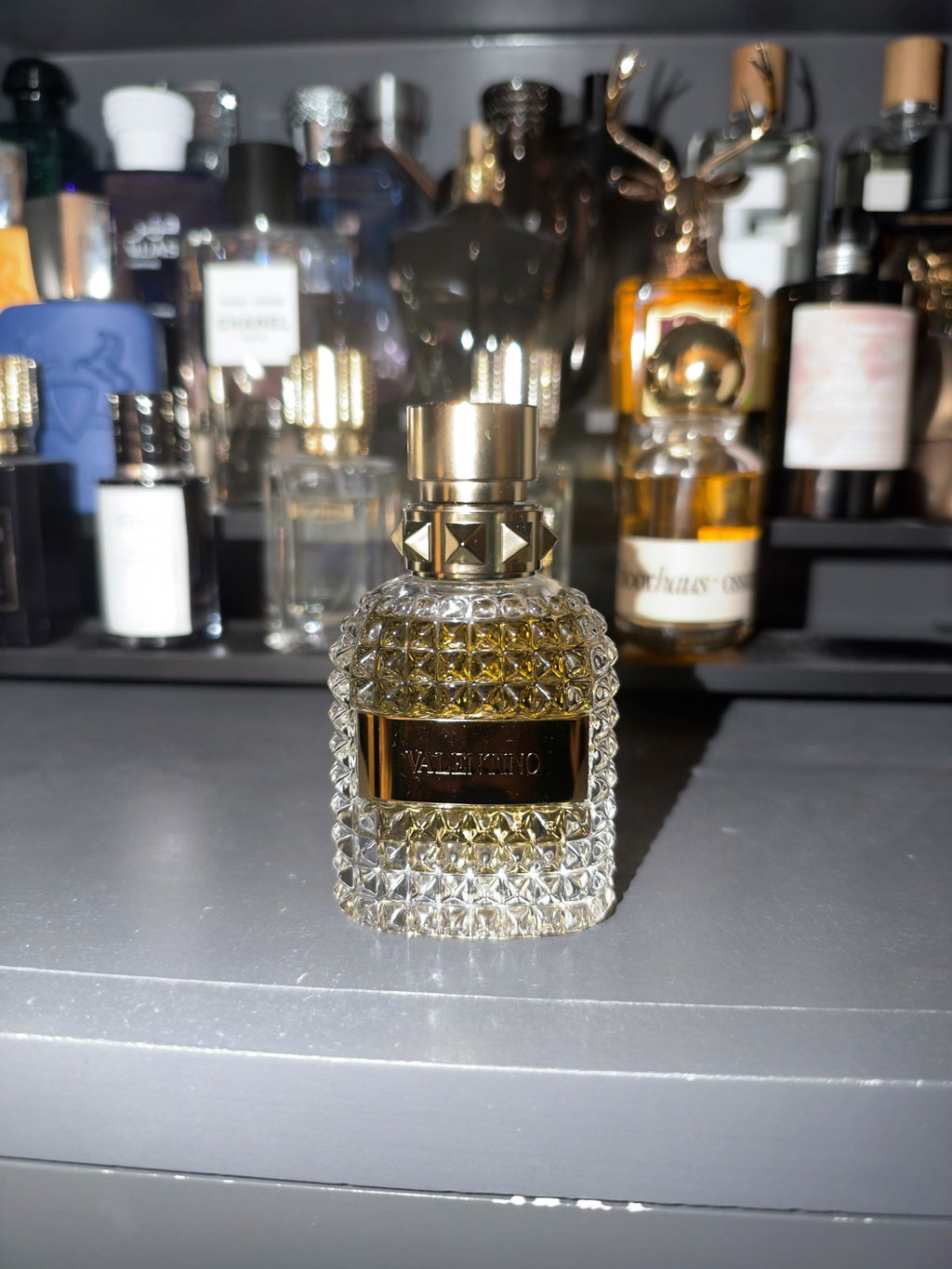
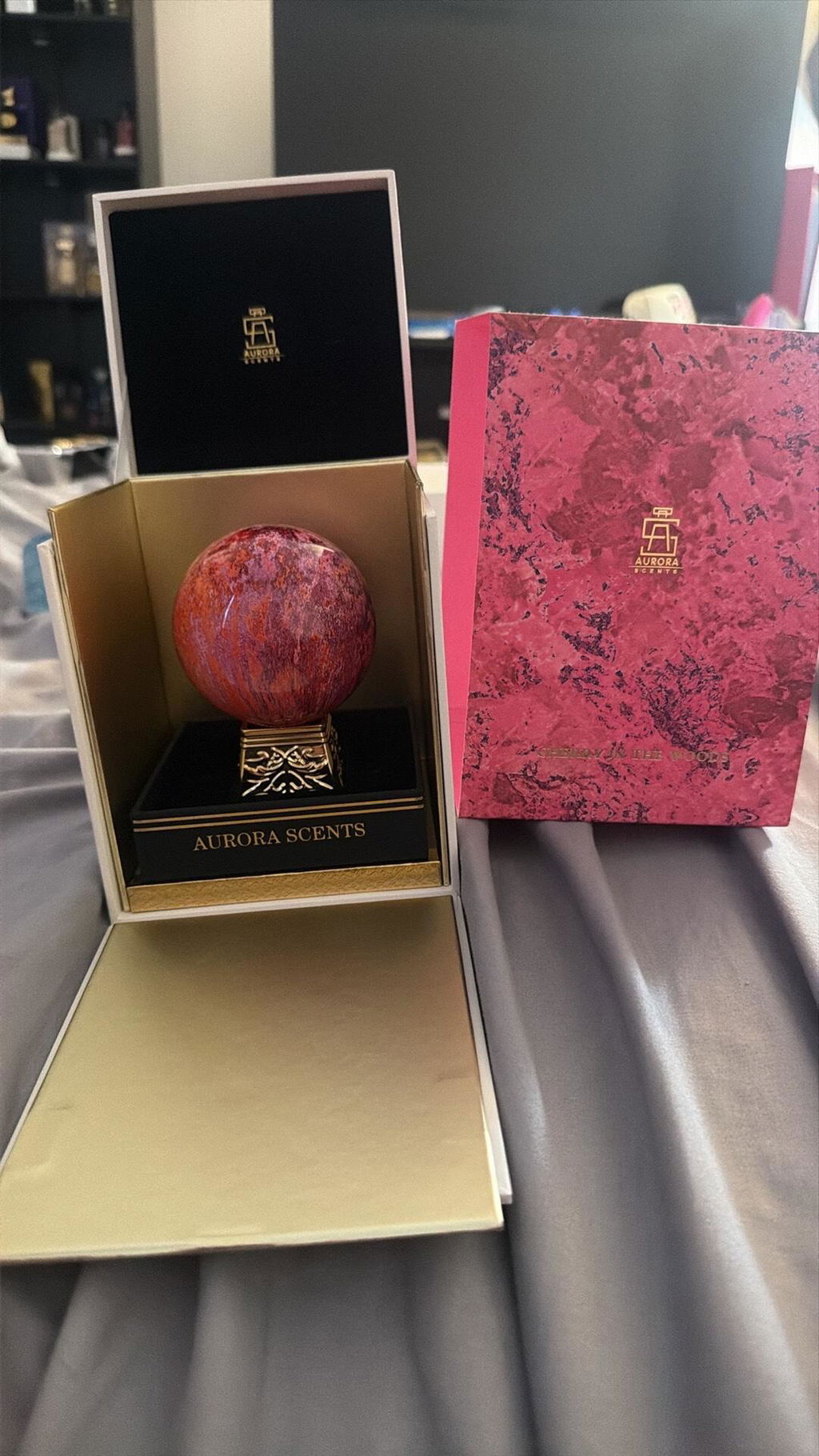
Finding your signature scent is not just about smelling good, it's about discovering a fragrance that resonates with your unique personality, emotional makeup, and even your body chemistry. Research from leading universities and medical institutions reveals that the relationship between scent and personality is deeply rooted in neurobiology, with fragrances triggering emotional responses through direct connections to the brain's limbic system. This comprehensive guide explains the science behind scent-personality alignment and provides evidence-based strategies for choosing a fragrance that truly reflects who you are.
What Makes a Scent Your "Signature"?
A signature scent is more than a pleasant fragrance you enjoy wearing. It is a scent that aligns with your emotional and psychological profile, interacts harmoniously with your individual body chemistry, and evokes positive autobiographical memories. Research published in Frontiers in Psychology demonstrates that olfactory perception is linked to personality traits, with individuals showing distinct preferences based on their psychological characteristics (Seo et al., 2013).
The concept of a signature scent is grounded in three scientific principles. First, the neuroanatomy of olfaction creates a privileged connection between smell and emotion. Second, individual differences in personality influence how we perceive and respond to different fragrances. Third, each person's unique body chemistry alters how a perfume smells on their skin, making the same fragrance smell different on different people.
The Neuroscience of Scent and Emotion
Understanding why certain fragrances resonate with your personality requires understanding how your brain processes smell. Unlike other senses, olfactory information takes a direct route to the limbic system, the brain region responsible for emotion, memory, and behavior.
The Olfactory-Limbic Connection
Research from Harvard Medical School explains that odors are handled by the olfactory bulb in the front of the brain, which sends information directly to the limbic system, including the amygdala and hippocampus, regions related to emotion and memory (Harvard Gazette, 2020). This direct pathway means that smelling activates emotional processing centers immediately, without first passing through the thalamus as other sensory information does.
A comprehensive review published in Cell and Tissue Research emphasizes that the olfactory system plays a crucial role in human well-being through its impact on emotional states and social behavior (Boesveldt & Parma, 2021). The primary olfactory cortex includes the amygdala, which processes emotional experience and emotional memory, as well as the hippocampus, which is involved in associative learning. This means that the mere act of smelling activates the amygdala-hippocampal complex, creating an immediate emotional response.
Odor-Evoked Memory and Emotional Response
Research published in Brain Sciences reveals that odor-evoked memories possess unique characteristics that distinguish them from memories triggered by other senses (Herz, 2016). Autobiographical memories triggered by odors are more emotional, more evocative, and transport people more vividly to the original time and place of their memories compared to memories recalled through visual or verbal cues.
This phenomenon, known as the "Proust effect," occurs because any odor that evokes a happy autobiographical memory has the potential to increase positive emotions, decrease negative mood states, and even reduce physiological indices of stress (Herz, 2016). When you find a fragrance that connects with positive memories or aligns with your emotional state, it becomes more than just a scent, it becomes part of your identity.
Personality Traits and Scent Preferences
Scientific research demonstrates measurable relationships between personality dimensions and attitudes toward smell, suggesting that personality influences fragrance preferences in predictable ways.
The Psychology of Olfactory Perception
A study published in Frontiers in Psychology examined 200 participants using the Eysenck Personality Questionnaire and the Importance of Olfaction Questionnaire (Seo et al., 2013). The research revealed that women were more dependent than men on olfactory cues for daily decision-making. Additionally, as participants evaluated their own olfactory functions more positively, they relied more on olfactory information in everyday life.
The study identified three key dimensions of olfactory attitudes: association (emotion, memory, and episodes triggered by smell), application (the extent to which people use smell in daily activities), and consequence (the extent to which people rely on smell for decision-making). These dimensions vary significantly based on personality traits, suggesting that your personality type influences not only which scents you prefer but also how important fragrance is to your daily life.
Individual Differences in Scent Perception
Research in PLOS ONE found that individuals select specific perfumes that complement their individual body odor, suggesting an unconscious matching process between personal scent and fragrance choice (Lenochová et al., 2012). This finding supports the idea that signature scent selection is partly intuitive, driven by biological compatibility rather than conscious preference alone.
The study revealed that people prefer fragrances that blend harmoniously with their natural body chemistry, creating a unique scent profile that differs from how the same perfume smells on another person. This explains why a fragrance that smells beautiful on a friend may not have the same appeal when you wear it yourself.
How Body Chemistry Affects Fragrance
One of the most important factors in finding your signature scent is understanding how your individual body chemistry interacts with fragrance molecules.
The Role of Skin pH
Skin pH, which describes how acidic your skin is, significantly affects how a perfume smells when applied. Most healthy skin has a slightly acidic pH, typically ranging from 4.7 to 5.75 (Nakano, 2019). This acidity creates a protective barrier and influences the rate at which fragrance molecules evaporate and transform.
Research published in Chemical Research in Toxicology examined the physical and chemical interactions between skin and perfume, revealing that skin chemistry affects both the absorption and evaporation rates of fragrance compounds (Guy, 2010). More acidic skin (lower pH) tends to break down fragrance molecules faster, often causing scents to fade more quickly. Conversely, skin with higher pH levels can enhance certain notes and extend longevity.
Fragrance Note Evaporation Rates
Perfumes are composed of three layers of aromatic compounds that evaporate at different rates, creating a fragrance that evolves over time. According to research published in the Neurobiology of Sensation and Reward, this structure is fundamental to how perfumes are experienced (Herz, 2011).
Top notes consist of small, light molecules with high volatility that evaporate quickly. These are the first scents you smell within the first 15 minutes of application. Top notes create the immediate impression of a perfume and typically include citrus, light fruits, and fresh herbs.
Middle notes (also called heart notes) emerge just before the top notes have dissipated, appearing anywhere from two minutes to one hour after application. These notes form the core character of the fragrance and often include floral, spice, and green notes.
Base notes are large, heavy molecules that evaporate slowly and are usually not perceived until 30 minutes after application. Some base notes can still be detectable 24 hours or more after application. Base notes typically include woods, musks, vanilla, and amber, providing depth and longevity to the fragrance.
Understanding this structure helps explain why a perfume may smell different on you at different times and why the same fragrance can smell different on different people, individual body chemistry affects the evaporation rate of each note differently.
Matching Fragrance Families to Personality Types
While individual preferences vary, research suggests certain fragrance families tend to appeal to specific personality profiles. These associations are based on the emotional and psychological responses different scent categories evoke.
Floral Fragrances and Emotional Openness
Floral fragrances, which feature notes like rose, jasmine, lily, and peony, tend to appeal to individuals who score high in emotional openness and agreeableness. Research in Cell and Tissue Research notes that floral scents are among the most universally appreciated, often evoking feelings of comfort, romance, and femininity (Boesveldt & Parma, 2021).
Individuals who prefer floral fragrances often value emotional connection, appreciate beauty and aesthetics, and tend to be nurturing and empathetic. These fragrances work well for those who want to project warmth and approachability.
Oriental Fragrances and Sensory Intensity
Oriental fragrances, characterized by warm, spicy, and resinous notes like vanilla, amber, cinnamon, and incense, appeal to individuals who seek sensory intensity and emotional depth. These complex, long-lasting fragrances suit personalities that are confident, passionate, and unafraid to make a statement.
Research on olfactory attitudes suggests that individuals who score high in extraversion and who place high importance on sensory experiences tend to prefer bold, distinctive scents like those in the oriental family (Seo et al., 2013).
Fresh and Citrus Fragrances and Active Lifestyles
Fresh, citrus, and aquatic fragrances featuring notes like lemon, bergamot, ocean breeze, and green tea appeal to individuals with active, energetic personalities. These light, clean scents evoke feelings of vitality, clarity, and optimism.
People who prefer these fragrances often value simplicity, efficiency, and physical activity. They tend to be practical, outgoing, and focused on the present moment rather than dwelling on the past.
Woody and Earthy Fragrances and Grounded Personalities
Woody fragrances, with notes of sandalwood, cedar, vetiver, and patchouli, appeal to individuals who are grounded, introspective, and value stability. These scents evoke feelings of calm, confidence, and connection to nature.
Research suggests that individuals who prefer woody scents often score higher in conscientiousness and emotional stability, valuing reliability and authenticity over novelty and excitement.
The Science-Based Approach to Finding Your Signature Scent
Based on neuroscientific research and psychological studies, here is a systematic approach to discovering a fragrance that truly matches your personality.
Step 1: Identify Your Emotional Associations
Begin by reflecting on scents that evoke positive memories and emotions. Research in Brain Sciences demonstrates that odors evoking happy autobiographical memories increase positive emotions and decrease negative mood states (Herz, 2016). Ask yourself:
• What smells remind you of happy moments in your childhood?
• Which scents make you feel calm, energized, confident, or romantic?
• Are there specific places (ocean, forest, bakery, garden) whose scents you find comforting?
These associations provide clues to fragrance families and specific notes that will resonate with your emotional profile.
Step 2: Understand Your Personality Dimensions
Consider your personality traits using established psychological frameworks. Research shows that personality influences olfactory attitudes and preferences (Seo et al., 2013). Reflect on:
• Extraversion vs. Introversion: Extraverts often prefer bold, attention-getting scents, while introverts may gravitate toward subtle, intimate fragrances.
• Emotional Stability: Those high in neuroticism may prefer comforting, familiar scents, while emotionally stable individuals may be more adventurous in their choices.
• Openness to Experience: Individuals high in openness often enjoy complex, unusual fragrances, while those lower in openness prefer classic, traditional scents.
Step 3: Test Fragrances on Your Skin
Never judge a fragrance solely by how it smells in the bottle or on a test strip. Research confirms that individual body chemistry significantly alters fragrance perception (Lenochová et al., 2012). When testing:
• Apply the fragrance to your wrist or inner elbow, where skin is warm and pulse points enhance scent diffusion.
• Wait at least 30 minutes to experience the middle notes and one hour to experience the base notes.
• Wear the fragrance for a full day to understand how it evolves on your unique skin chemistry.
• Test only 2-3 fragrances per session to avoid olfactory fatigue.
Step 4: Consider Concentration and Longevity
Choose a concentration level that matches your lifestyle and preferences. According to research in the Neurobiology of Sensation and Reward (Herz, 2011):
• Parfum (15-30% aromatic compounds): Strongest and longest-lasting, ideal for special occasions or those who want a powerful scent presence.
• Eau de Parfum (8-15%): Strong scent with good longevity (6-8 hours), suitable for daily wear.
• Eau de Toilette (4-8%): Lighter and more subtle, ideal for work environments or warm weather.
• Eau de Cologne (2-5%): Fresh and light, requires frequent reapplication but offers versatility.
Step 5: Trust Your Intuitive Response
While understanding the science is valuable, research suggests that fragrance selection involves unconscious processes related to biological compatibility (Lenochová et al., 2012). Pay attention to your immediate emotional response:
• Does the scent make you feel more like yourself?
• Do you receive positive feedback from others when wearing it?
• Does it evoke the mood or image you want to project?
Your intuitive response reflects deep neurological processes connecting scent, emotion, and identity.
The Social Psychology of Signature Scents
Beyond personal preference, fragrances play a crucial role in social communication and relationship formation.
Scent and Social Bonding
Research in Cell and Tissue Research reveals that olfaction plays a pervasive role in fostering sociality throughout the human lifespan (Boesveldt & Parma, 2021). Scent influences social relationships at various stages: prenatally and postnatally, during puberty, for partner selection, and in sickness. The fragrances we choose become part of how others perceive and remember us.
A signature scent creates olfactory consistency, allowing others to form strong associations between the fragrance and your presence. This can enhance social bonding and create memorable impressions in both personal and professional contexts.
Fragrance and Self-Expression
Wearing a signature scent is a form of non-verbal communication that expresses aspects of your personality and values. Research suggests that individuals use fragrance as a tool for self-presentation, choosing scents that align with their desired social identity (Seo et al., 2013).
Your signature scent communicates information about your style, sophistication, approachability, and even your cultural background. Choosing a fragrance that authentically represents your personality ensures that this non-verbal communication is genuine and effective.
STOP! Are You Choosing the WRONG Perfume? The Secret to Finding Your Perfect Scent Isn't What You Think!
Actually, the academic research confirms that the truly "perfect" perfume must interact chemically with your unique body scent to create a highly pleasant, individualized blend, proving that fragrance choice is far more complex than simple preference (Lenochová et al., 2012).
To nail this ideal pairing, scientific studies suggest you may need help: your biologically related family members, specifically sisters, appear to be uniquely "tuned" to select perfumes that blend more attractively with your body odor than the fragrances you choose for yourself (Sobotková et al., 2017).
If relying on family isn't an option, especially when buying online, evidence suggests leveraging celebrity endorsements - not just for the name, but by matching the endorser's published personality traits and lifestyle to the desired scent category to predict how the complex fragrance will align with your own personality (Mahdavi et al., 2019).
Common Misconceptions About Signature Scents
Several myths about fragrance selection persist despite scientific evidence to the contrary.
Myth 1: You Should Have Only One Signature Scent
While the term "signature scent" suggests a single fragrance, research supports having a small collection that reflects different aspects of your personality or suits different contexts. Your olfactory preferences may vary with mood, season, and occasion, and this variation is psychologically normal.
Myth 2: Expensive Perfumes Are Always Better
Price does not determine whether a fragrance suits your personality or body chemistry. Research shows that individual compatibility matters more than cost (Lenochová et al., 2012). A less expensive fragrance that harmonizes with your natural scent and evokes positive emotions will serve you better than a prestigious perfume that doesn't match your chemistry.
Myth 3: Fragrance Preferences Are Fixed
Olfactory preferences can evolve over time due to new experiences, changing life circumstances, and shifting personality development. Research in Brain Sciences demonstrates that odor-evoked memories are formed through associative learning, meaning new positive experiences with scents can reshape your preferences (Herz, 2016).
Frequently Asked Questions
Can my signature scent change over time?
Yes, and this is completely normal. As you accumulate new experiences and memories, your emotional associations with different scents evolve. Additionally, hormonal changes, aging, and shifts in personality can all influence fragrance preferences. Many people find that fragrances they loved in their twenties no longer appeal to them in their forties, and vice versa.
Why does the same perfume smell different on me than on my friend?
Individual body chemistry, including skin pH, moisture levels, diet, and even genetics, affects how fragrance molecules interact with your skin (Guy, 2010). The same perfume can smell noticeably different on two people because these factors alter the evaporation rate and chemical transformation of aromatic compounds.
How long should I test a fragrance before deciding?
Research on fragrance structure suggests testing for at least 6-8 hours to experience all three note levels, top, middle, and base (Herz, 2011). Ideally, wear a fragrance for a full day in your normal environment to understand how it performs in different temperatures and activities before making a purchase decision.
Should I choose a fragrance that matches my personality or the personality I aspire to have?
Both approaches are valid. Research shows that fragrance can influence mood and emotional states (Herz, 2016), suggesting that wearing a scent associated with desired qualities may help you embody those characteristics. However, authenticity is important, choose a fragrance that feels genuine to who you are, even if it represents your aspirational self.
Do men and women process fragrances differently?
Research in Frontiers in Psychology found that women were more dependent than men on olfactory cues for daily decision-making (Seo et al., 2013). However, individual variation within each gender is substantial, and personality traits matter more than biological sex in determining fragrance preferences and olfactory attitudes.
Conclusion
Finding your signature scent is a journey of self-discovery grounded in neuroscience, psychology, and chemistry. The direct connection between your olfactory system and limbic brain regions means that fragrances have unique power to evoke emotions, trigger memories, and express personality in ways that other sensory experiences cannot match.
By understanding how your brain processes scent, recognizing your personality traits and emotional associations, and accounting for your individual body chemistry, you can select a fragrance that is truly aligned with who you are. This signature scent becomes more than a pleasant accessory, it becomes an authentic extension of your identity, enhancing your emotional well-being and enriching your social connections.
The science is clear: the right fragrance, chosen with self-awareness and worn with confidence, can positively influence your mood, strengthen your memories, and communicate your unique personality to the world. Take time to explore, experiment, and trust both the research and your intuitive responses as you discover the scent that is unmistakably, authentically yours.
References
Boesveldt, S., & Parma, V. (2021). The importance of the olfactory system in human well-being, through nutrition and social behavior. Cell and Tissue Research, 383(1), 559-567. https://doi.org/10.1007/s00441-020-03367-7
Gopi, S., Sukumaran, N. P., Jacob, J., & Thomas, S. (2023). Natural Flavours, Fragrances, and Perfumes. Wiley-VCH.
Guy, R. H. (2010). Predicting the rate and extent of fragrance chemical absorption into and through the skin. Chemical Research in Toxicology, 23(5), 864-870. https://doi.org/10.1021/tx9004105
Harvard Gazette. (2020, February 27). How scent, emotion, and memory are intertwined, and exploited. https://news.harvard.edu/gazette/story/2020/02/how-scent-emotion-and-memory-are-intertwined-and-exploited/
Herz, R. S. (2011). Perfume. In J. A. Gottfried (Ed.), Neurobiology of sensation and reward (Chapter 17). CRC Press/Taylor & Francis. https://www.ncbi.nlm.nih.gov/books/NBK92802/
Herz, R. S. (2016). The role of odor-evoked memory in psychological and physiological health. Brain Sciences, 6(3), 22. https://doi.org/10.3390/brainsci6030022
Lenochová, P., Vohnoutová, P., Roberts, S. C., Oberzaucher, E., Grammer, K., & Havlíček, J. (2012). Psychology of fragrance use: Perception of individual odor and perfume blends reveals a mechanism for idiosyncratic effects on fragrance choice. PLOS ONE, 7(3), e33810. https://doi.org/10.1371/journal.pone.0033810
Lenochová, P., Vohnoutová, P., Roberts, S. C., Oberzaucher, E., Grammer, K., & Havlíček, J. (2012). Psychology of Fragrance Use: Perception of Individual Odor and Perfume Blends Reveals a Mechanism for Idiosyncratic Effects on Fragrance Choice. PloS One, 7(3), Article e33810. https://doi.org/10.1371/journal.pone.0033810
Mahdavi, M., Barbosa, B., Oliveira, Z., & Chkoniya, V. (2019). Scents of celebrities: Endorsers’ impact on buyers’ online perfume purchase. Management & Marketing (Bucharest, Romania), 14(3), 304–317. https://doi.org/10.2478/mmcks-2019-0022
Nakano, A. K. (2019). Understanding fragrance: From chemistry to emotion. In Cosmetic formulation: Principles and practice (pp. 281-296). CRC Press. https://doi.org/10.1201/9780429190674-16
Seo, H. S., Lee, S., & Cho, S. (2013). Relationships between personality traits and attitudes toward the sense of smell. Frontiers in Psychology, 4, 901. https://doi.org/10.3389/fpsyg.2013.00901
Sobotková, M., Fialová, J., Roberts, S. C., & Havlíček, J. (2017). Effect of Biological Relatedness on Perfume Selection for Others: Preliminary Evidence. Perception (London), 46(3–4), 498–515. https://doi.org/10.1177/0301006616682514